Learn More
The media industry is moving faster than ever — and legacy infrastructure is no longer built to keep up. As production volumes grow, workflows become more complex, and AI-driven automation moves from roadmap to reality, media organizations need platforms that are scalable and resilient. That’s exactly why Xytech is evolving.
Fabric is investing in Xytech and making it Cloud Native. This investment represents a fundamental shift in how media operations software is delivered, maintained, and enhanced — enabling broadcast, production, sports, and live event teams to operate with greater speed, intelligence, and confidence.
Why Cloud Native Matters for Media Operations
Traditional on-premise media operations systems were designed for a different era. They require constant maintenance, manual upgrades, and complex infrastructure planning — all of which slow teams down and increase operational risk.
As Xytech evolves to become a cloud native application we remove these barriers by delivering media operations management as a continuously evolving service, not a static system.
With this new Xytech cloud-native platform, media organizations gain:
Faster access to new features
Greater operational resilience
A platform designed for AI-driven workflows
Reduced IT overhead and infrastructure risk
This shift allows teams to focus on planning, scheduling, and executing media operations — not managing servers.
Built for the Future of Media Operations
Fabric’s investment into the Xytech Cloud-Native Migration project is not a lift-and-shift. It’s a platform transformation.
Fabric has made, and will continue to make, significant backend investments to ensure Xytech is ready for the next generation of media operations, including AI-powered scheduling, automation, and real-time insights.
AI-Ready Infrastructure
The cloud architecture enables future AI capabilities across scheduling, capacity planning, transmission routing, and operational analytics — unlocking smarter, data-driven media operations.
Evolving how we Release
The cloud-native investment project is aligned with careful evolution of the manner in which Xytech’s software is being released.
For 2026, Xytech’s core platform software now follow a six-week release cadence, to strike a balance of predictability and stability as the Xytech customer base gradually migrates to the next generation cloud-native platform.
For new cloud-native modules, we will move directly to next generation CI/CD pipelines which deliver ongoing enhancements without disruptive upgrade projects. New automation, workflow improvements, and performance updates arrive automatically.
Modern User Experience
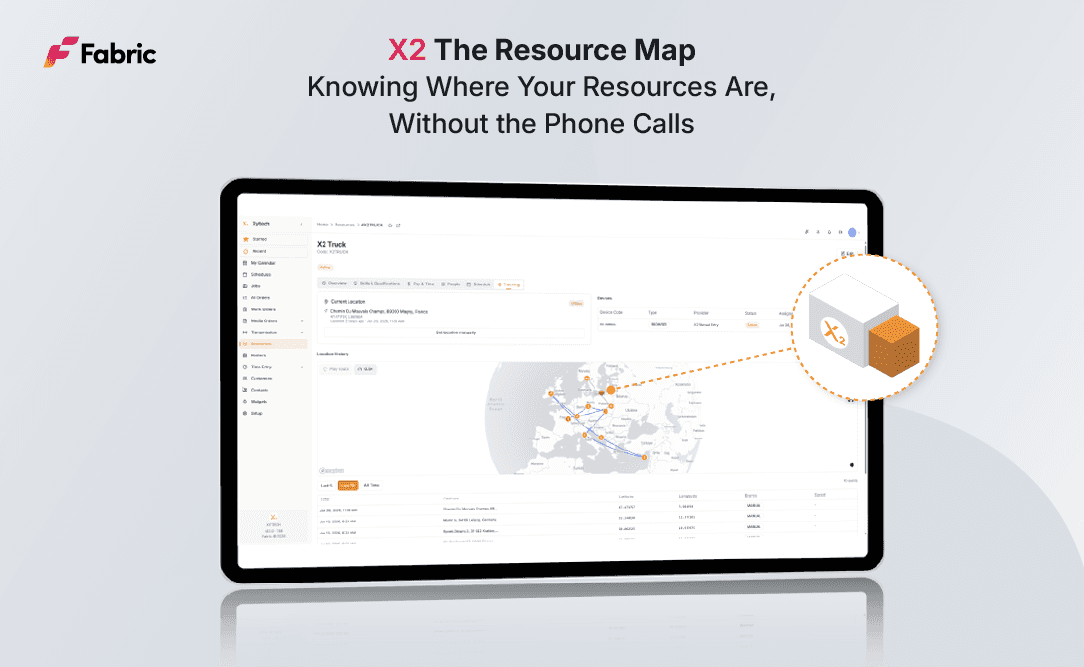
One example of a brand new fully cloud-native module is the Xytech X2 user interface. A sizable proportion of our customers have been asking for a simplified Xytech experience for their users. We’ve listened, and in Q2 2026 Xytech X2 will deliver a fully redesigned and reimagined design language and user journey for core Xytech modules. This experience will then gradually extend to other Xytech modules over the course of the year.
Enterprise-Grade Cloud Architecture
Xytech’s next generation cloud-native software is built on AWS using Infrastructure-as-Code, ensuring consistent, secure, and reliable deployments across environments.
Reliability and Performance
High availability with multi-AZ database replication
Load-balanced application and API servers
Automatic recovery from failures
Real-time monitoring and alerting
Security and Compliance
Network segmentation using VPCs
OpenID and JWT authentication
Encrypted data at rest and in transit
SOC 2–compliant infrastructure
This architecture delivers enterprise-grade uptime, resilience, and security — without the operational burden of managing it internally.
Reducing IT Burden, Increasing Operational Agility
Moving Xytech to the cloud eliminates many of the challenges that slow down media organizations today.
What Media Teams Eliminate
Server maintenance and patching
Infrastructure upgrades
Backup management
Security monitoring
Upgrade project planning
What They Gain
Elastic scalability on demand
Automatic feature updates
Enterprise security built into the platform
Proactive monitoring and observability
API-ready integrations through REST APIs and webhooks
The result is a media operations platform that scales with the business — not against it.
A Simple, Supported Migration Process
Fabric is working hard to minimise the disruption that our investments in the Xytech platform are making on customer operations. A key aspect of this is a two-phase transition.
Firstly, in the first half of 2026 we are migrating each Xytech customer to our next generation AWS foundation for their existing Xytech platform. This follows a structured, low-risk process:
Plan – Review configurations and migration timelines
Migrate – Securely move data to AWS
Validate – Test workflows and confirm performance
Go Live – Switch over with minimal downtime
Dedicated Customer Success teams guide every step, with 24/7 global support available from day one.
Once a customer is live on Xytech on AWS, the foundations are in place to accelerate towards the next generation cloud-native version of the Xytech software. Customers on AWS will be able to take advantage of our investments in the X2 user interface and Xytech AI, and will benefit from a simplified and streamlined release and deployment process for the core Xytech platform.
Xytech and Fabric’s End-to-End Vision
Xytech’s journey to becoming a cloud-native application plays a critical role in Fabric’s end-to-end media supply chain strategy.
By combining Xytech’s cloud-based media operations management with Origin’s metadata management platform and market intelligence solutions, Fabric enables organizations to:
Plan and schedule operations with confidence
Execute workflows with automation and visibility
Make smarter, faster content decisions
This unified approach transforms fragmented operations into a connected, data-driven ecosystem for the future of media supply-chain operations.
Ready for What’s Next in Media Operations?
Xytech’s Cloud Evolution isn’t just an infrastructure upgrade — it’s a foundation for smarter, faster, and more resilient media operations. As the media industry evolves, Xytech Cloud ensures teams are ready for what’s next: automation, AI, and data-driven execution at scale.
To understand the strategy behind this evolution, read Kira Baca’s latest Leader’s Lens, where she shares why the new Xytech represents 18 months of focused investment and a turning point for media operations.
FAQ
Similar Articles
We're constantly pushing the boundaries of what's possible and seeking new ways to improve our services. Search your topic of interest.