Learn More
This spring, our teams attended two of the media industry's most significant tradeshows: the MPTS in London and NAB Show in Las Vegas. Both events reinforced the industry's strong commitment to in-person engagement and together they provided a rich cross-section of insight from practitioners, technologists, and operators working across the global media landscape. The observations and key takeaways below draw on theatre sessions, booth conversations, and on-stage discussions from both shows, and collectively point to several critical trends shaping the future of production and resource management.
The Imperative for Flexibility
The central theme repeated across many theatre sessions and discussions was the urgent need for flexibility during this era of exciting change and market uncertainty. To navigate this, the industry is demanding two core capabilities.
Adaptive Teams: Operations must be supported by adaptive, multi-skilled teams whose work is underpinned by reliable media service operations infrastructure.
Configurable Tools: Teams require media workflow automation tools that can be easily configured to handle whatever the latest production demands require. The ease of workflow configurability is now a primary requirement for system longevity.
Complexity in Content and Data Management
Conversations with attendees demonstrated a growing focus on the intricate challenges of data and metadata.
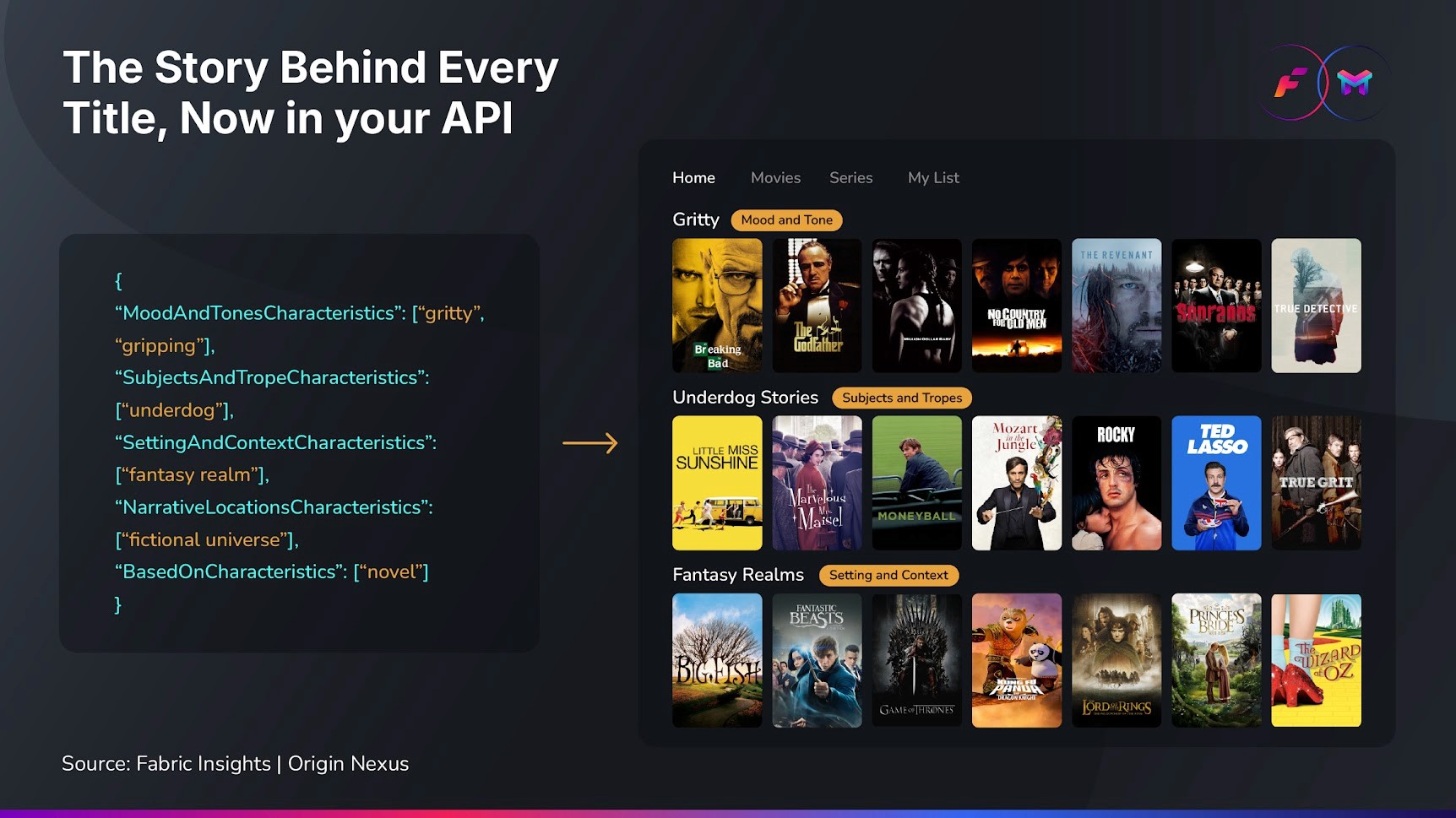
Advanced Metadata: There is a critical search underway for robust title and episode metadata management systems. Organizations are actively looking for solutions that go beyond basic scheduling, specifically to address insufficient metadata functionality. A key challenge is the need for systems capable of storing various identifiers and different metadata sets to ensure compliance with distribution platform delivery rules, such as character limits for synopses.
To address this, organizations are adopting a metadata governance approach centered on a registry mindset. This means establishing a single authoritative canonical content record to serve as the metadata source of truth for all downstream systems, preventing the inefficiencies and errors that arise when the catalog exists across multiple, inconsistent systems. This governance is enforced through system architecture, including configurable metadata models, role-based access controls, and stage-based approval workflows that dictate who can change the record and under what conditions. Furthermore, successful scaling requires integrating automated metadata enrichment at the point of record creation, ensuring the canonical record is complete and accurate from the start, and is delivered via an API-first records metadata management layer for real-time propagation to partners and platforms.
Nuanced IP Hierarchies: Content monetization requires supporting complex asset hierarchies. We observed intense interest in how to model and store information for both franchises and formats, noting that current industry standards do not adequately capture both simultaneously. This demands more dedicated media catalog management capabilities to manage separate IP and legal information.
The Evolution of Media Operations
The ongoing shift toward modernization is driving projects in several key areas.
Cloud Modernization: The migration to cloud environments is an established trend, with companies focused on system upgrades and optimizing existing operations for cloud-native workflows. In choosing cloud partners, cost and reliability are key decision factors, even over media-specific platform offerings.
Demand for Deep Insights: The desire for advanced analytics is growing, particularly for full-loop insights that connect production data directly to content availability tracking and reporting. This is exactly where Origin Insights closes the loop, connecting platform availability insights and audience demand trends back to the operational and catalog layer.
Resource Management Expansion: The utility of resource management systems is expanding beyond traditional scheduling. For example, we had promising discussions about leveraging our Xytech Operations platform as a foundation for broadcast talent development, linked to personnel planning and skills management.
Ecosystem Integration and Competition
The market is showing increased interest in how various systems, from media asset management to scheduling integration and control, can integrate seamlessly as part of a unified media operations stack. This often involves utilizing middleware vendors who offer bespoke, low-code configuration and proven integration capabilities. Simultaneously, the competitive landscape in the post-production sector is seeing the presence of new entrants, often positioned at the lower end of the pricing scale with more limited functionality.
Taken together, MPTS and NAB Show 2026 offered two distinct but complementary windows into the same evolving industry. MPTS continues to be a high-value networking event, uniquely positioned within a venue that seamlessly blends architectural redevelopment with its rich industry tradition. Its scale is perfectly balanced for deep knowledge acquisition and the kind of serendipitous, high-value conversations that larger events rarely allow. NAB brought these same themes to a broader stage: live demonstrations, on-stage discussions, and cross-industry conversations that reinforced the urgency behind everything observed in London. What struck us most across both shows was not the differences in format or geography, but the remarkable consistency in what we heard. Whether in a focused London theatre session or on the floor of one of the world's largest broadcast and media conventions, the same imperatives kept surfacing: the need for flexibility, the primacy ofclean and governed metadata, and the expectation thatmedia operations systems must evolve as fast as the industry demands. Both events confirmed that the conversations that matter most are still happening in person, and that the industry is actively looking for solutions, not just frameworks.
FAQ
Similar Articles
We're constantly pushing the boundaries of what's possible and seeking new ways to improve our services. Search your topic of interest.