Learn More

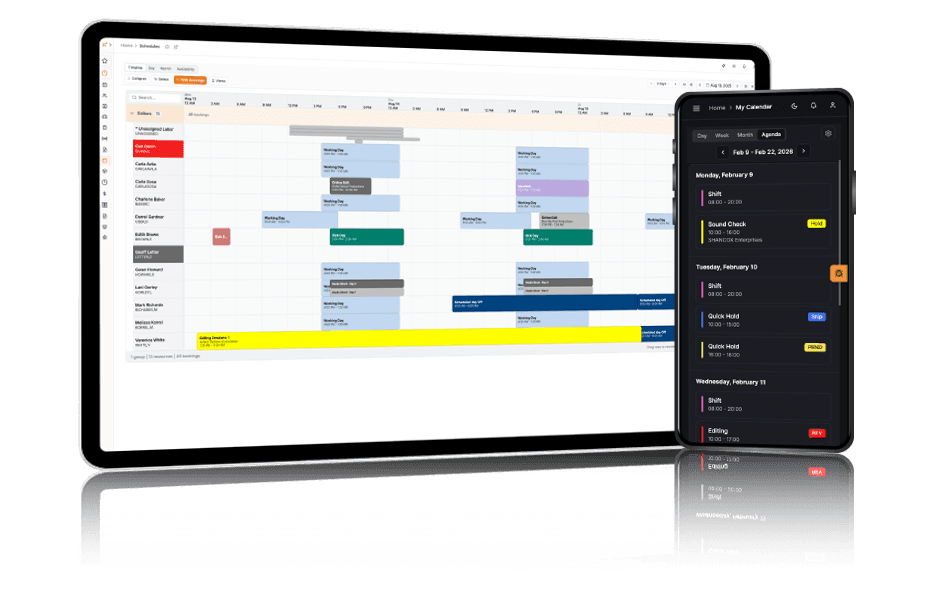
Xytech is machine-operable end to end. The X2 MCP server exposes Xytech's operational surface — orders, media workflows, resource scheduling, transmission — to autonomous agents through OAuth access scoped to the individual tool level. Enterprises delegate exactly the operational authority they choose; agents execute within it, fully audited.
MCP server
Create orders, update media orders, schedule and check resource availability, manage jobs, timecards, and transmission workflows through structured agent tools.
REST API v3
Standards-aligned, with machine-readable schemas, clear errors, and a documented v2 to v3 migration path.
Webhooks
Real-time change events instead of polling.
Agent-readable docs
The full Xytech knowledgebase ships llms.txt and markdown renderings of every page, built for agent consumption.
Governance
OAuth tool-level scoping, role-based access, and audit trails let operations teams grant agents narrow, revocable authority.
Introducing Xytech Operations
AI-Powered Scheduling
Xytech AI adds a conversational layer to media operations, enabling teams to access scheduling, resource availability, and workflows using natural language.
Built on Xytech Operations, it enhances production scheduling and resource management without changing existing workflows — accelerating decision-making and reducing operational complexity.
API-Driven AI with Xytech MCP Server
The Xytech MCP Server exposes scheduling and resource data through a structured API layer, powering both Xytech AI and customer AI integrations.
It enables conversational workflows and integration with enterprise AI systems, extending Xytech into AI-driven media operations.
Why Choose Xytech Operations?
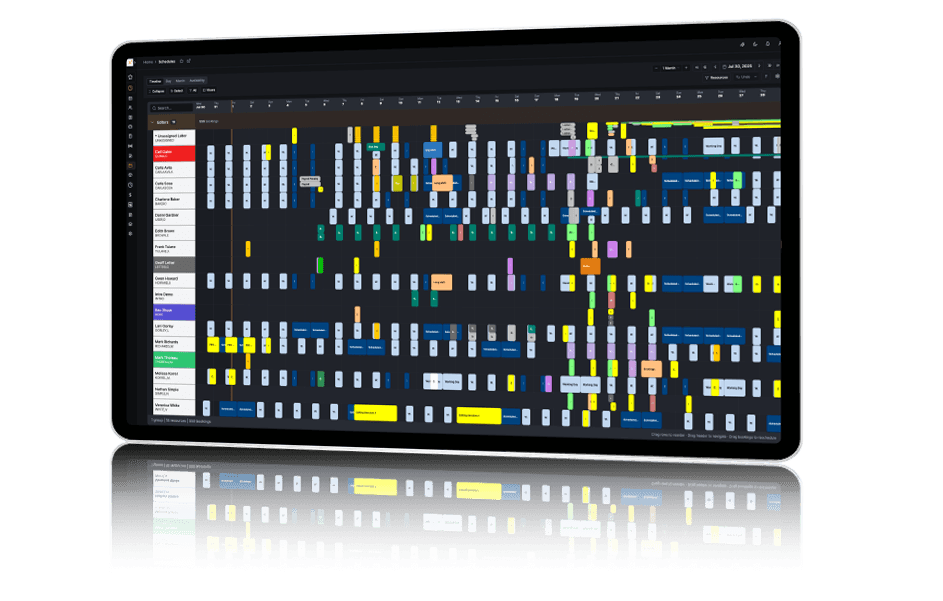
Centralized production scheduling
Optimized use of people and equipment
Accurate cost forecasting and tracking
Operational visibility across teams
AI-Powered Scheduling
Interact with scheduling and resource data using natural language. Xytech AI adds a conversational layer to Xytech Operations, enabling faster access to availability, workflows, and operational insights.
Equipment Management
Schedule and manage studios, stages, edit suites, vehicles, and technical equipment with real-time visibility into availability and conflicts.
People Management
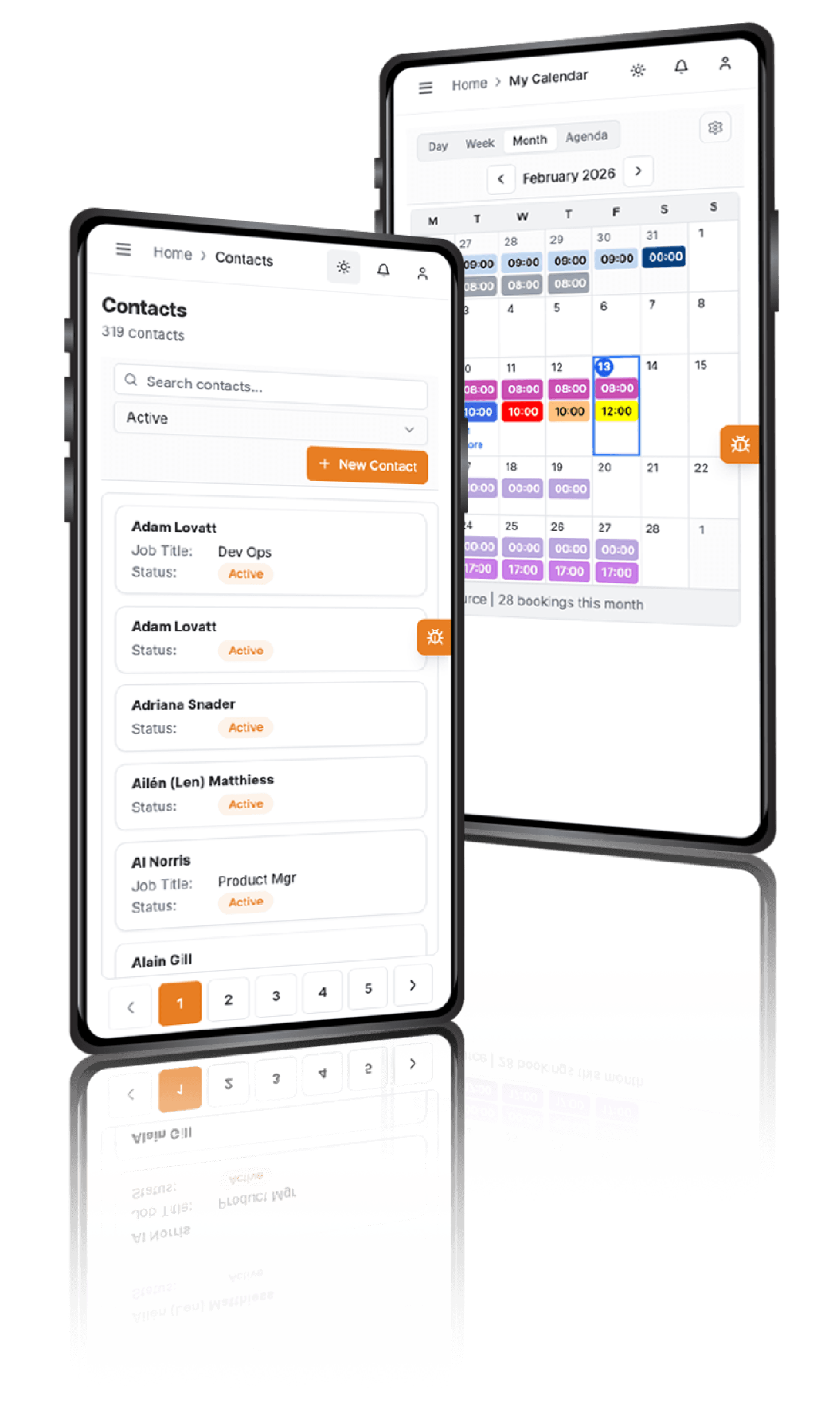
Manage crews, freelancers, and staff with support for:
Timecards and time entry
Labor rules and working agreements
Availability, assignments, and utilization
Network Visualizer
Connect operational planning with financial execution through:
Quoting and estimates
Purchase orders
Invoicing and cost reconciliation
Resource and Production Scheduling Built
for Complex Media Environments
Scheduling People and Equipment with Real-Time Visibility into Availability and Conflicts
Equipment Management
Through the Equipment Management module, teams can schedule and manage studios, stages, edit suites, vehicles, and technical equipment with real-time visibility into availability and conflicts — eliminating the double-bookings and last-minute scrambles that arise from managing these resources across separate systems.
People Management
The People Management module handles crew, freelancers, and staff with full support for availability tracking, assignments, and utilization. Critically, it incorporates labor rules and working agreements directly into the scheduling process — so when a scheduler assigns a crew member, the system automatically applies the relevant union rules, shift limits, or contractual requirements without requiring manual cross-referencing.
Connecting Scheduled Work to Actual Execution
Timecards and planning integrated
Time entry is tied to specific jobs and assignments, so the gap between what was scheduled and what was actually worked is visible in real time rather than discovered at payroll.
Live labor efficiency visibility
This connection between planned hours and logged hours gives operations managers an accurate, ongoing picture of labor efficiency — and gives finance teams the data they need without chasing timesheets across departments.
Better personnel planning over time
Workforce data informs better decisions: where staffing models are stretched, where there is underutilized capacity, and how to staff future productions more accurately based on how comparable projects actually ran.
Financial Control Through Cost Tracking, Quoting, and Invoicing
For operations teams
Real-time cost tracking at the project level, so budget overruns are visible while there is still time to act.
For finance teams
Invoices are generated from actual operational data rather than manually compiled summaries.
For leadership
A direct line of sight between how productions are being run and how the business is performing financially — making cost tracking a live operational tool rather than a retrospective accounting exercise.