/
UK Entertainment Insights | An Exclusive Analysis for DEGI Members
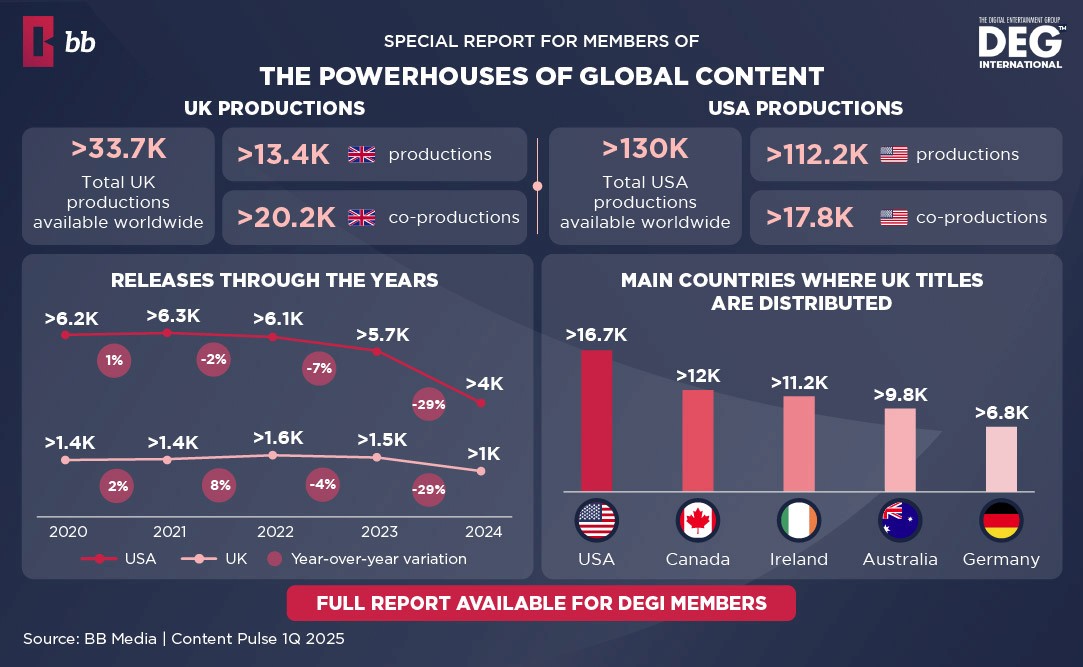
In a significant development for the UK entertainment industry, DEGI: The Digital Entertainment Group International, in collaboration with BB Media, has released an exclusive report offering in-depth UK entertainment insights. This analysis sheds light on streaming trends, platform market shares, and audience behaviors within the UK.
Key Findings from the UK Entertainment Insights ReportThe report reveals that ad-supported subscriptions have reached a 73% penetration rate among UK audiences. Notably, Prime Video holds a 40% market share, boasting a catalogue of 50,000 titles. Additionally, over 570 unique streaming platforms are now available in the UK, reflecting a diverse and competitive market landscape.
Read the full article here
Powered by BB Media, a Fabric Data company
Read More Articles
We're constantly pushing the boundaries of what's possible and seeking new ways to improve our services. Search your topic of interest.

The Architecture Behind a Metadata System That Actually Scales
Jun 1, 2026
Adopting an API-first metadata platform is a necessary starting point, but it is not what determines whether a metadata system holds up at enterprise scale. The decisions that matter are above the API layer: how the canonical record is structured, how changes to it are governed, how enrichment is handled, and how the integration model is organized. Here is what those decisions look like in practice.

API-First Metadata Management: What It Actually Means (and What It Doesn't)
May 29, 2026
API-first has become a standard claim in media technology marketing, applied to platforms with genuinely different architectural approaches and very different real-world behaviors. Here is a precise account of what API-first metadata management actually means, what it genuinely solves, and why being API-first is a necessary foundation rather than a guarantee of good outcomes.

Key Takeaways on Agility, Data, and the Evolving Media Supply Chain
May 28, 2026
Two of the media industry's most significant spring tradeshows, MPTS in London and NAB in Las Vegas, surfaced the same themes regardless of geography or format: the urgent need for flexible, configurable operations, the growing complexity of metadata and IP management, and the industry's continued commitment to solving these challenges in person.

The Weekend Effect: Latin America Streaming Viewership Patterns
May 27, 2026
Nearly two in five series that appear in Latin America's streaming popularity rankings do so exclusively during weekend periods. They are discovered on Saturday or Sunday, consumed over the following day or two, and never return to the rankings during the week. That pattern has direct implications for how content is programmed, promoted, and prioritized across the region's streaming market.

Games Metadata, Trailers and Imagery: Building a Complete Content Catalog Stack
May 22, 2026
Most metadata discussions focus on movies and TV series. But for platforms competing on content discovery, the catalog stack extends significantly further, into games, trailers, imagery, celebrity data, and promotional assets, each governed by different data requirements and update rhythms. Here's what a complete content catalog actually looks like.

What Is a Movie API? A Buyer's Guide for Media Companies
May 21, 2026
This guide explains what a movie or TV API actually is, what it should deliver at scale, what questions to ask before signing a contract, and why the right choice depends on more than just data coverage.

The Architecture Behind a Metadata System That Actually Scales
Jun 1, 2026
Adopting an API-first metadata platform is a necessary starting point, but it is not what determines whether a metadata system holds up at enterprise scale. The decisions that matter are above the API layer: how the canonical record is structured, how changes to it are governed, how enrichment is handled, and how the integration model is organized. Here is what those decisions look like in practice.

API-First Metadata Management: What It Actually Means (and What It Doesn't)
May 29, 2026
API-first has become a standard claim in media technology marketing, applied to platforms with genuinely different architectural approaches and very different real-world behaviors. Here is a precise account of what API-first metadata management actually means, what it genuinely solves, and why being API-first is a necessary foundation rather than a guarantee of good outcomes.

The Architecture Behind a Metadata System That Actually Scales
Jun 1, 2026
Adopting an API-first metadata platform is a necessary starting point, but it is not what determines whether a metadata system holds up at enterprise scale. The decisions that matter are above the API layer: how the canonical record is structured, how changes to it are governed, how enrichment is handled, and how the integration model is organized. Here is what those decisions look like in practice.

API-First Metadata Management: What It Actually Means (and What It Doesn't)
May 29, 2026
API-first has become a standard claim in media technology marketing, applied to platforms with genuinely different architectural approaches and very different real-world behaviors. Here is a precise account of what API-first metadata management actually means, what it genuinely solves, and why being API-first is a necessary foundation rather than a guarantee of good outcomes.

Key Takeaways on Agility, Data, and the Evolving Media Supply Chain
May 28, 2026
Two of the media industry's most significant spring tradeshows, MPTS in London and NAB in Las Vegas, surfaced the same themes regardless of geography or format: the urgent need for flexible, configurable operations, the growing complexity of metadata and IP management, and the industry's continued commitment to solving these challenges in person.